An independent blog about radio and audio
Every stage the signal passes through
Seven steps between a voice and an ear. Each one is allowed to change something, and each one is where a particular kind of problem lives. Start anywhere on the path.
The chain, stage by stage
Pick a stop. Each stage has a job, a set of permissions, and one kind of problem that can only be solved there.
Microphone
A diaphragm moves in a magnetic field and the room becomes a voltage of a few millivolts — fragile enough that a poor cable can undo it. Everything downstream can only shape what happens in these few centimetres.
Read the full stage →- Microphone — Air pressure becomes a small electrical signal.
- Desk — Levels set, sources mixed, the presenter's channel opened and closed.
- Processing — Compression and limiting even out the dynamics and raise perceived loudness.
- Studio-transmitter link — The finished programme is carried to the transmitter site.
- Transmitter — The audio modulates a carrier wave and is amplified.
- Aerial — The signal is radiated; height and pattern decide who can hear it.
- Receiver — The set tunes the carrier, demodulates it and drives a speaker.
The hour, as a programmer draws it
Before it is a sound, an hour is a shape. Drag the dial — or pick a position — to see what each slice commits to.
Drag the wheel. The needle at the top reads the position.
One hour, eight positions
The fixed points go down first — the bulletin at the top, the breaks in their sold positions. What is left over is the music budget, and that arithmetic is what makes a tight format tight.
What each format actually commits to
A format is a promise about the next hour. These are the structural promises — not a ranking, and not a claim about any particular station.
| Format family | Commits to | Refuses |
|---|---|---|
| Contemporary hit | Current chart, high rotation | Deep cuts, long talk |
| Adult contemporary | Familiar melodic songs, soft talk | Aggressive or very new music |
| Classic rock | A fixed canon, known songs | Almost anything recent |
| News/talk | Speech, live response | Music beds as content |
| Specialist music | Depth and unfamiliar records | Repetition and mass appeal |
What processing does to a waveform
Nothing is amplified. Everything is flattened. The same passage, before the chain and after it.
There is a hard ceiling every station shares, and nobody may cross it. The only way to sound louder than a neighbour is to spend more of the hour close to it — which means lifting the quiet parts, never raising the loud ones.
- Off the desk — wide dynamic range
- After compression and limiting
- The ceiling, set by licence

How Radio Works · the flagship
From Microphone to Ear
Every stage the sound passes through, and what each one is actually for — from a few millivolts at the capsule to a cone moving air in somebody's kitchen.
Stage 02 · Desk
Driving the Desk
Faders, cues and the physical craft of running a live hour.

Stage 03 · Processing
Why Stations Sound Louder Than Each Other
Compression, limiting and the arms race nobody won.
Stage 05 · Transmitter
What a Transmitter Actually Does
Modulation, power and the aerial — the part most listeners never think about.
Formats & Programming
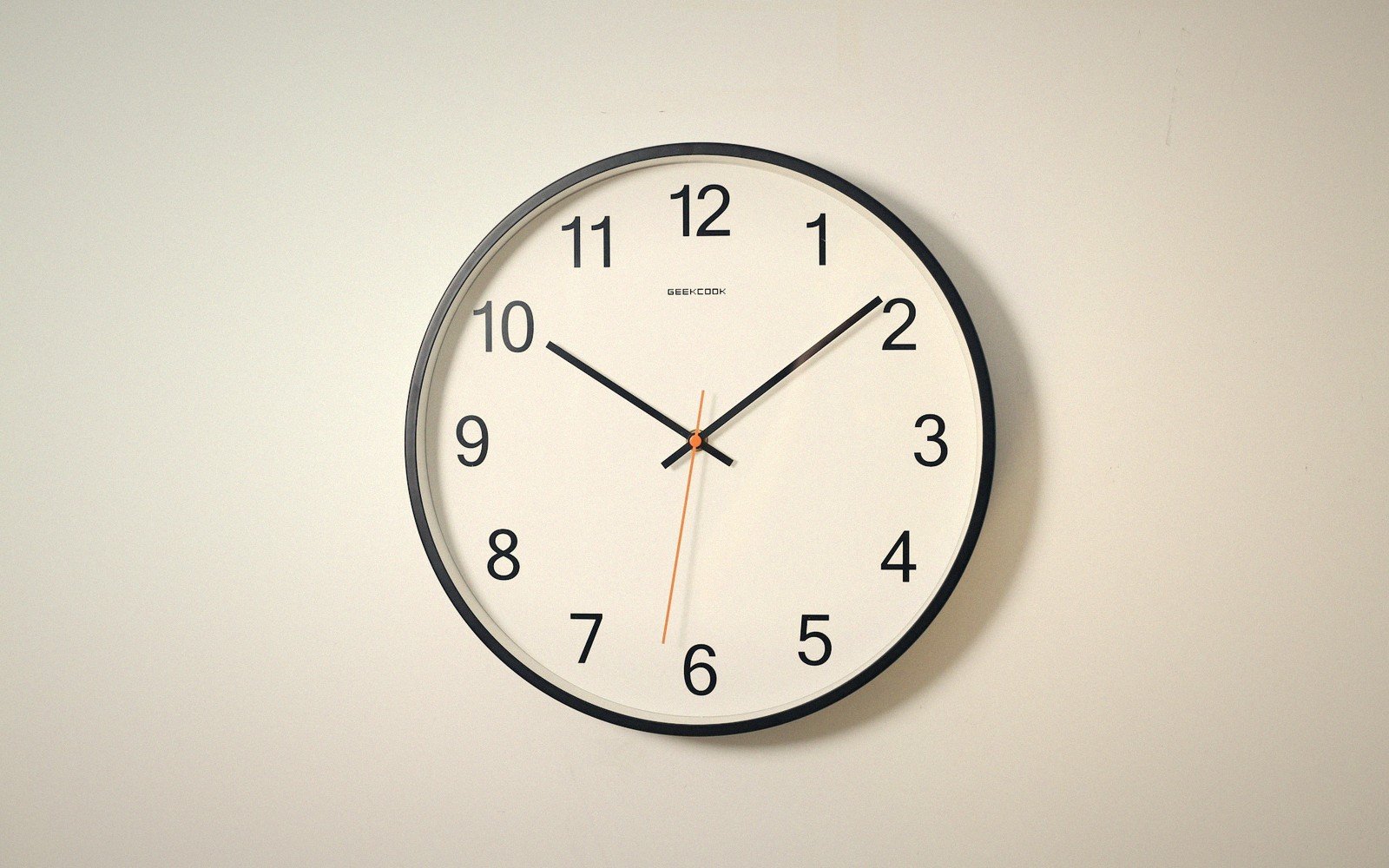
What a Clock Wheel Actually Does
The broadcast hour drawn as a circle, and why every station has one.
Music & Playlists
How a Playlist Gets Built
Rotation categories, separation rules and why you hear that song again.

On Air
The Anatomy of a Breakfast Show
The most engineered three hours in broadcasting, taken apart.
Five sections, seventeen guides
How Radio Works
The chain from a voice to a receiver.
4 guides 02Formats & Programming
How an hour and a station get designed.
4 guides 03On Air
The craft of actually doing it live.
4 guides 04Music & Playlists
How the songs get chosen.
3 guides 05Listening & Gear
Processing, receivers and the listening end.
2 guidesThe log
Everything on the site, laid out the way a studio log is: five stretches of the path, seventeen entries, running order left to right. Search it or narrow it to one stretch.
- 01From Microphone to Ear6 minHow it worksEvery stage the sound passes through
- 02What a Transmitter Actually Does3 minHow it worksModulation, power and the aerial
- 03AM, FM and Digital, Compared4 minHow it worksThree ways to carry the same audio
- 04Why Radio Still Works2 minHow it worksNo visuals, no archive, no algorithm
Nothing in the log matches that. Try clock, loudness, desk or playlist.
Down the line
Four we keep in the rack
Studios, consultancies, and training rooms we tune listeners toward when the craft conversation calls for hands-on help.
 BLACKED proves some frequencies hit harder than others — tune in and feel the signal.
 FTMMen redefine what a strong, authentic voice on-air truly sounds like.
 Biphoria plays both sides of the dial and somehow always hits the sweet spot.
 Czech Hunter scouts raw street talent — a casting director any station would envy.
The quiet end of the dial
Friends of the workshop
Suppliers, shops and repair benches that keep this equipment running.
 Disruptive Films breaks every format rule, the way bold radio once did.
 DILFED proves experienced voices always know exactly how to take control.
 Im Not Your Mommy runs the board her way — no apologies, all attitude.
 TransAngels brings the most radiant new voices to a stage built for stars.
 Masonic Boys understand initiation rituals better than any rookie presenter ever will.
 BBCPie delivers big, full signals — loud, proud, and impossible to ignore.
 Thickumz knows all about rich, full-bodied curves — just like great radio.
Stations and studios we tune in alongside.